Women referred to the Royal United Hospitals Bath NHS Foundation Trust with bleeding after the menopause could receive clearer answers sooner thanks to a new test being introduced at the RUH.
The Bath hospital is one of the first in England to launch the WID-easy test for women referred with post-menopausal bleeding or bleeding while taking hormone replacement therapy (HRT). The test helps clinical teams quickly identify whether someone is at high or low risk of womb cancer, allowing them to plan the most appropriate next steps and potentially avoiding unnecessary hospital investigations.
Bleeding after the menopause is not usually caused by cancer but should always be checked. Womb cancer, also known as endometrial cancer, is the most common gynaecological cancer. The RUH receives around 250 to 300 suspected cancer referrals every month for symptoms linked to post-menopausal bleeding and unscheduled bleeding while taking HRT.
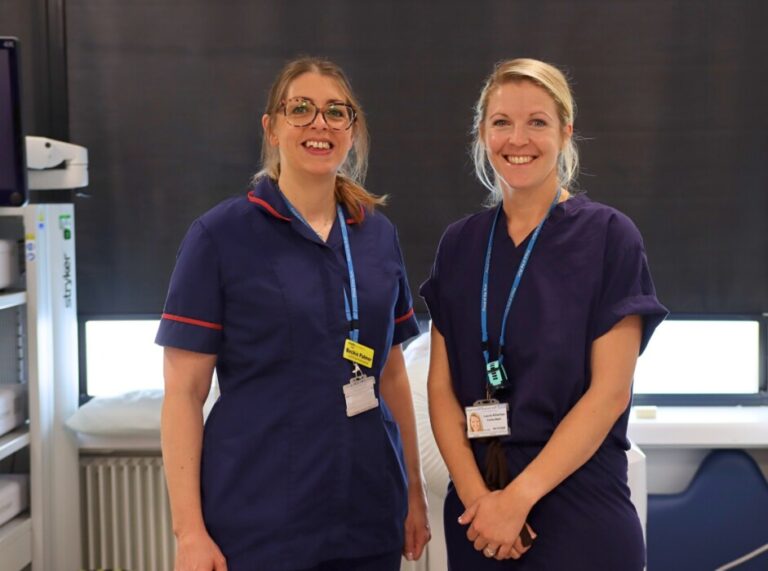
Consultant Gynaecologist Dr Laura Atherton said, “This is a vital step forward for our patients. We know that being referred for cancer investigations is an incredibly worrying time. This test changes that by helping us quickly identify low-risk patients.
“For most women, it means avoiding procedures they simply do not need. For those flagged as higher risk, it means we can arrange further tests quickly and start treatment as early as possible if cancer is found.”
How the new test works
The WID-easy test uses a swab taken from the vagina and cervix, similar to a smear test. The sample is then sent to a laboratory for rapid testing.
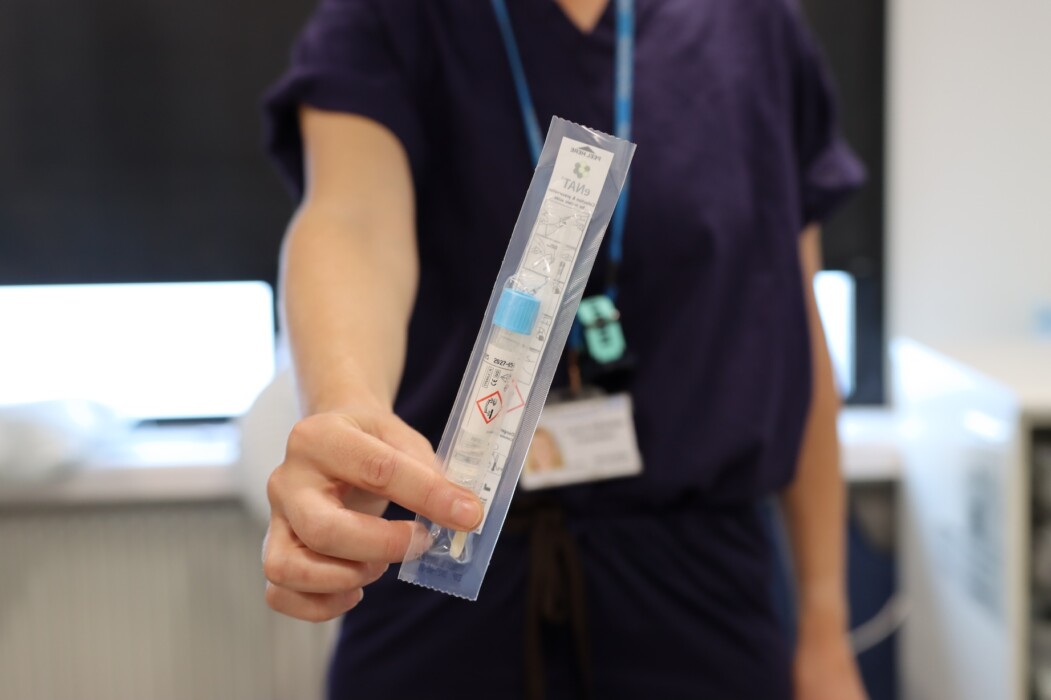
The result indicates whether a patient is at low or high risk of womb cancer. Women receiving a low-risk result can safely opt for monitoring rather than immediate hospital investigations, while those identified as higher risk can be prioritised for further tests and treatment.
Dr Atherton added, “This is an exciting development for women’s health. Faster testing means many women could receive reassurance sooner, while ensuring those who need further investigations can be prioritised without delay.”