For many women, becoming a mother is one of the most profound experiences of their lives – yet it can also be one of the least understood.
Through Odyssey of Motherhood, Swindon-based doula Rosanna is working to change that, offering compassionate, informed support to women across Bath, Wiltshire, Gloucestershire, and Oxfordshire as they navigate pregnancy, birth and the early days of motherhood.
A journey shaped by personal experience
Rosanna’s work is deeply rooted in her own experience of motherhood, which began during an intensely emotional time.
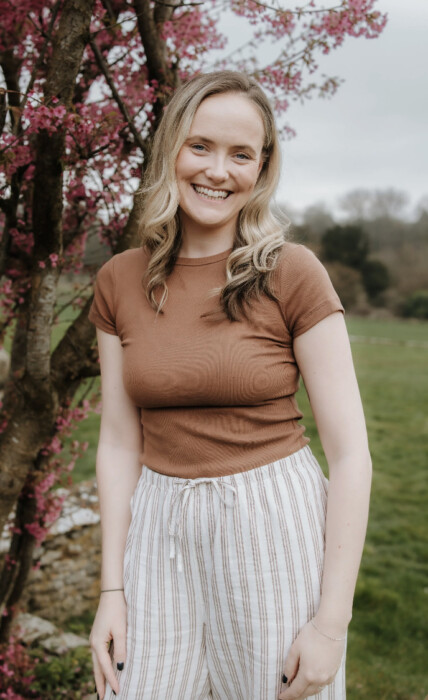
“Odyssey of Motherhood began during an incredibly transformative time,” she explained. “Shortly after the birth of my first son, I found myself suddenly caring for my mum at the end of her life.”
“As a freshly postpartum mum and a daughter with a strong relationship with her own mother, I was facing the collision of new life and profound loss simultaneously. This caused a seismic shift in my outlook, and as cliché as it sounds, I realised just how short life is.”
As she navigated early motherhood alongside grief, Rosanna became aware of a gap in how women are supported during this transition.
“I found myself overwhelmed by a transition that no-one had explained to me,” she said. “Matrescence is the immense psychological, emotional and physical transition women experience when they become a mother.”
“We acknowledge adolescence and prepare ourselves for our children becoming teenagers, yet becoming a mother is something we consider to just be about conception, pregnancy and birth. There is something huge beyond the physical act of bringing life into the world, and we just don’t prepare for it.”
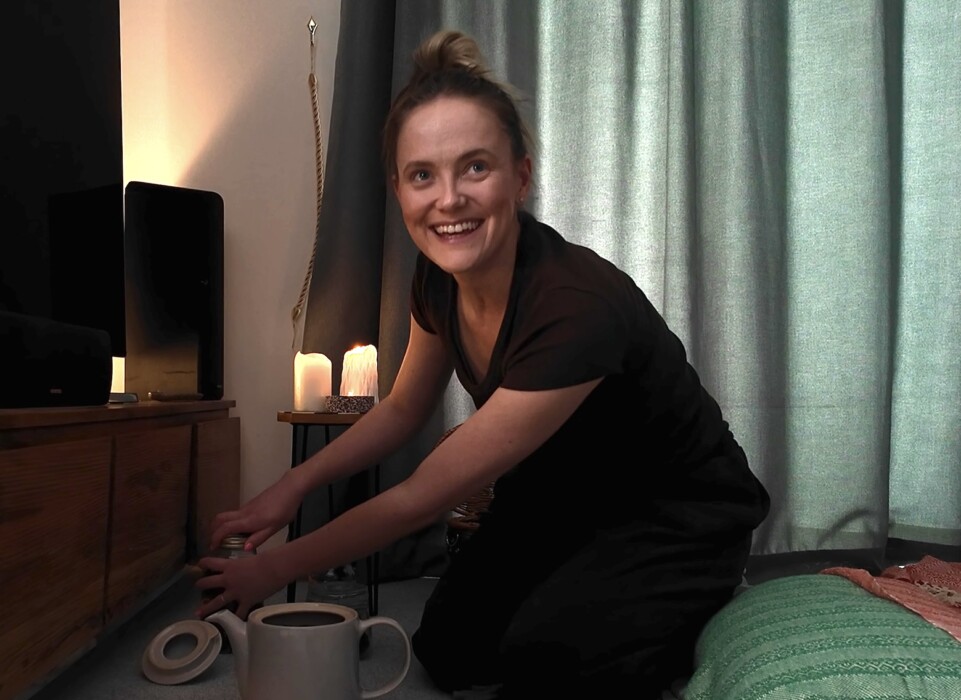
What began as sharing her experiences online soon grew into Odyssey of Motherhood, a platform dedicated to supporting women through what she describes as “the ongoing journey of becoming a mother”.
From classroom to birth room
Before becoming a doula, Rosanna worked in education as an Assistant Subject Lead in a secondary school, specialising in Philosophy and Theology.
“For as long as I can remember, I’ve had a thirst for learning new theories and concepts,” she said. “As a teenager, I channelled my emotions into exploring different arguments and the meaning of life.”
Her own experiences within the maternity system led her in a new direction.
“After processing my own experience of the maternity system and the events that unfolded during my first birth, I became deeply interested in helping other parents understand their options and feel confident making informed, value-aligned decisions.”
This led her to complete a diploma in antenatal education, with the aim of creating a ‘birth school’ and offering wider support to families.
The power of the right support
Rosanna’s decision to become a doula was also shaped by her own birth experiences.
“My first labour was incredibly intense, as my baby was in an occiput posterior position,” she explained. “For much of the labour I was made to feel as though I simply wasn’t coping well enough, which led me to start doubting my own ability to give birth.”
Everything changed when the right support arrived.
“A new midwife came on shift and immediately recognised what was happening. Her reassurance and understanding completely shifted the atmosphere in the room, and I went on to birth my son without intervention.”
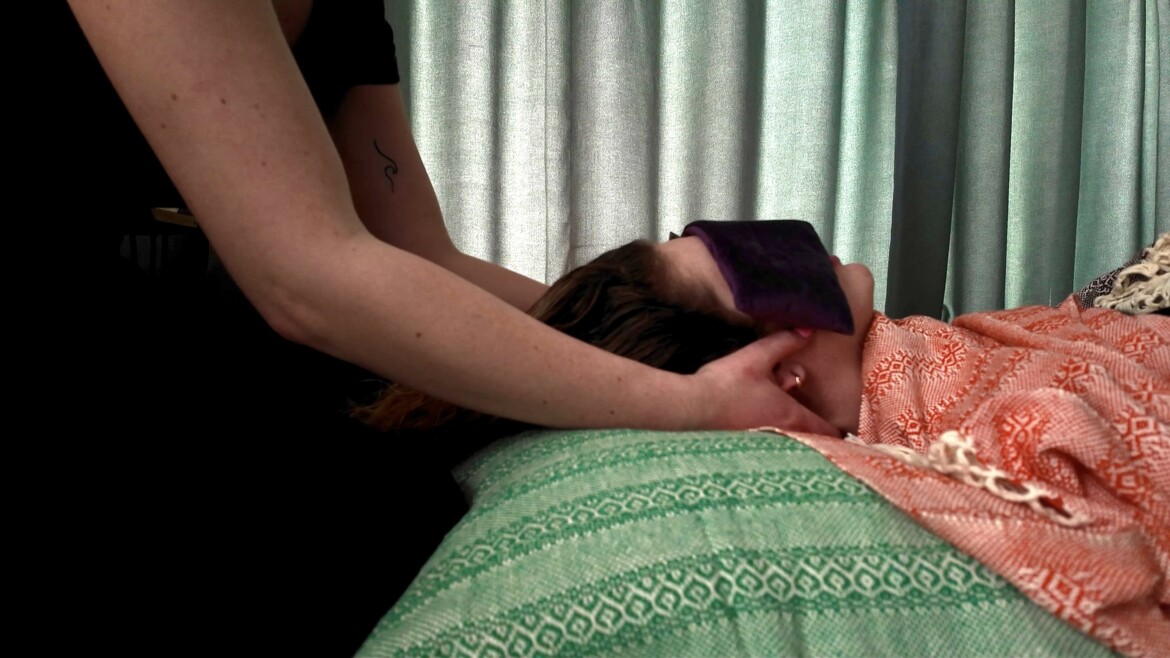
“That experience made me realise how powerful the right support can be, and how every interaction with a pregnant woman has the potential to shape her birth experience.”
Her second pregnancy further reinforced this belief, particularly when she experienced both the benefits of doula care and the challenges of postpartum recovery.
“It was during this time that I began to realise just how little attention is given to the care of mothers after birth,” she said. “So much focus is placed on the baby, yet mothers are often expected to simply carry on whilst recovering from one of the most significant physical and emotional transitions of their lives.”
Reclaiming postpartum care
Rosanna has since explored traditional approaches to postpartum care, including the historical ‘lying-in’ period once common in the UK.
“Historically, it was widely understood that birth was a profound physical and emotional event and mothers taking time to regain their strength was a respected practice,” she said.
“Today, the sad reality is that many mothers find themselves navigating the early weeks postpartum with far less support than previous generations.”
She believes modern pressures, including social media and ‘bounce-back’ culture, have only made things harder.
“The noise of social media has continued to perpetuate a toxic narrative around birth and early motherhood.”
What does a doula do?
Rosanna is keen to demystify the role of a doula, which remains unfamiliar to many families.
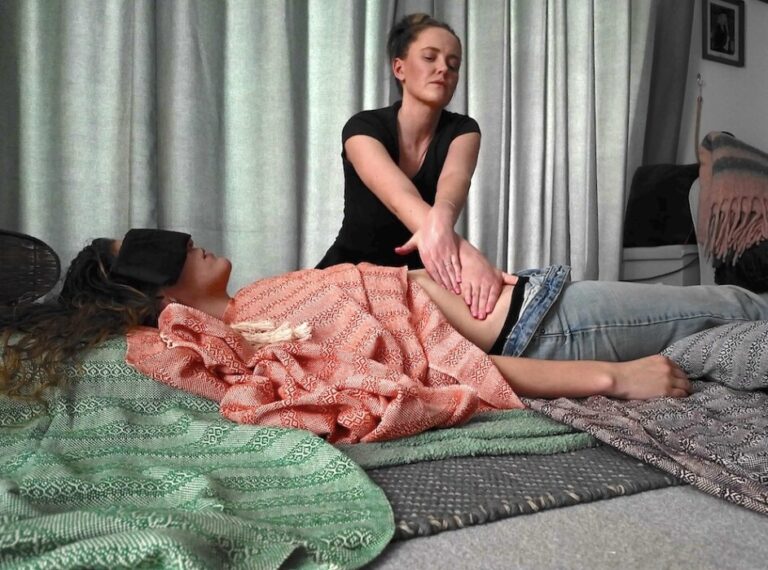
“In the context of birth, a doula is a non-medical professional who is not clinically trained,” she explained. “They offer continuous support, both physically and emotionally, throughout pregnancy, birth and the postpartum period.”
Her work also extends beyond birth itself.
“Doulas seek to reduce fear, build confidence, increase knowledge and guide people towards informed, value-aligned decision-making. They advocate to the wishes of their client and help in negotiating relationships between family, friends and care providers.”
‘A sacred time’
While Rosanna is clear that not every mother will choose to work with a doula, she believes all families should think carefully about the support they need.
“It is incredibly important to consciously choose who is present at your birth and who can provide you with the appropriate support through the postpartum period,” she said.
“In an ideal world, postpartum care and support would be provided by the NHS. Sadly, it’s not. This is why we should be consciously preparing for our birth and early postpartum period, as sadly, no-one else will be doing that for us.”
For the mothers she works with, the impact can be significant.
“One mother said I ‘held space in such a gentle and grounding way… she listened with compassion, which made me feel safe, supported and seen during one of the most tender times of my life’,” Rosanna shared.
Another reflected on the importance of self-care during early motherhood, saying that “as women, we so often forget about ourselves when we become mothers, but this is such a sacred time, and we should invest in our own care too”.
‘Supporting mothers to find themselves again’
For Rosanna, the most meaningful part of her work is witnessing transformation.
“What I like most about my role is the privilege of witnessing a woman step into motherhood, not just physically, but emotionally and mentally,” she said.
“There is a moment that happens, reliably, in every postpartum home I walk into. It’s not dramatic. Nobody announces it. But somewhere between the first cup of tea and the first real conversation, something in the room shifts.”
“A woman who has been holding herself very tightly begins to slowly let go. That moment is why I do this work.”
Her own experiences continue to shape her approach.
“I became a doula because I lived the alternative. I know what it is to arrive home with a newborn and realise… that nobody is coming.”
“What I love about this work is its patience. It asks nothing of a mother except that she receive. There is nothing ordinary about being trusted with the first forty days of someone’s motherhood.”
Supporting families across the region
Based in Swindon, Rosanna works with families across Wiltshire, Gloucestershire, Oxfordshire and Bath.
“It is so important that we feel safe, seen and heard throughout these transitions,” she said. “I always encourage women who feel that our values align to get in touch, regardless of where they are located.”
Her message to expectant mums is simple but powerful.
“The one piece of advice I would give to a new mum-to-be would be to claim your authority in motherhood,” she said.
“This is your odyssey and it is not to be shaped or dictated by anyone else. Claim it, own it and take pride in it.”