
To mark the lead-up to World Mental Health Day, Bath Mind Ambassador Meera Phull shines a light on an often overlooked aspect of mental health: the experience of motherhood.
From pregnancy to the postpartum period and beyond, mothers can face emotional and psychological challenges, including anxiety, depression, sleep deprivation, intrusive thoughts and feelings of overwhelm.

In this interview, CBT Therapist and Mental Health Nurse Meera Phull reflects on her experiences of motherhood, sharing personal insights and expert advice on recognising when a mother may be struggling and where support is available.
Understanding mothers’ mental health
Why is mothers’ mental health such an important issue?
Mothers’ mental health has historically received far less attention and research than it deserves. Mothers are raising the next generation, so their wellbeing has a profound impact on their children, families, relationships and society.
Investing in mothers’ mental health is about supporting the health and wellbeing of future generations too.
What are the most common mental health challenges mothers face?
Most people have heard of postnatal depression, but there are many different mental health challenges women can experience during pregnancy and motherhood.
A big factor is sleep deprivation. When lack of sleep becomes chronic, it can place a huge strain on us physically and psychologically, making it harder to regulate our emotions and increasing vulnerability to anxiety and depression.
Another common experience, particularly postpartum, is intrusive thoughts. These are unwanted, distressing thoughts or images, often centred around harm coming to the baby.
Having intrusive thoughts doesn’t necessarily mean someone has a mental health disorder. However, for some women, these thoughts become persistent and extremely distressing, sometimes leading to compulsive behaviours to prevent the feared outcome. This can develop into maternal OCD.
Other challenges include difficulties with identity and self-esteem, and feeling overwhelmed by the demands of motherhood.
What misconceptions exist about maternal mental health?
There’s an assumption that pregnancy and postpartum are happy times, which can be challenging for women experiencing difficult pregnancies, traumatic births or postnatal struggles.
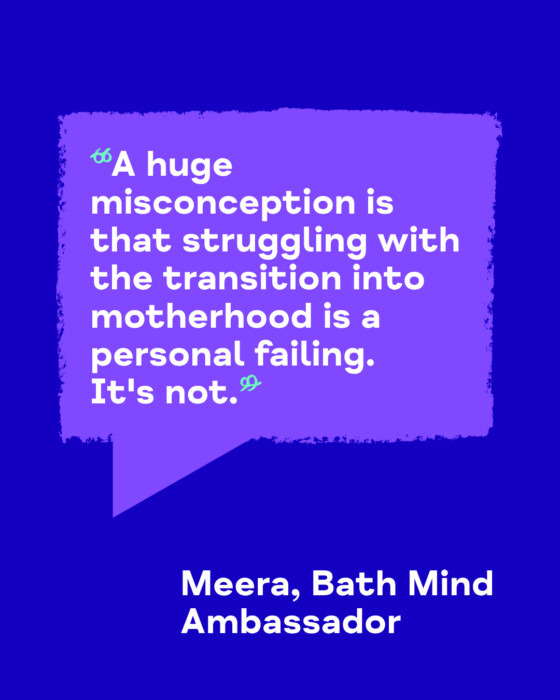
When you’re exhausted, experiencing hormonal changes, recovering from childbirth and caring for a newborn, your confidence can be knocked. A huge misconception is that struggling with the transition into motherhood is a personal failing. It’s not.
Many women fear asking for help in case they’re viewed as incompetent or unsafe mothers. Someone experiencing intrusive thoughts about hurting her baby may be afraid to admit this, fearing she’ll be misunderstood as wanting to cause harm. With maternal OCD, this isn’t the case – the extreme distress caused by the fear of harm is the problem.
Are particular groups of mothers more vulnerable?
Women with pre-existing mental health problems may be more vulnerable to worsening symptoms. Those living in poverty or experiencing domestic violence may also have an increased risk. Research also shows ongoing inequalities in maternal care for minority ethnic mothers, putting them at greater disadvantage during pregnancy and postpartum.
How has motherhood affected your own mental health?
As a therapist and mental health nurse, I took proactive measures to protect my mental health before becoming a mother. I’m glad I did because it’s helped me navigate an undoubtedly challenging time.
I absolutely love being a mother, but I’ve also felt overwhelmed and exhausted in ways I’d never experienced. I stared blankly at a wall and cried, feeling I had nothing left to give whilst continuing to give to my baby.
Sleep deprivation has been the hardest. My toddler still wakes at least four times a night. I’ve not had more than three hours’ sleep in one go in over a year.
I’ve had to manage my expectations, learn to say no and cancel plans after particularly difficult nights.
What surprised me most was experiencing conflicting emotions simultaneously. I remember holding my newborn, feeling immense love and gratitude, but sobbing because I was exhausted, hungry and needed the toilet, yet couldn’t meet those needs whilst feeding him!
Recognising the signs
What’s the difference between normal parenting stress and a mental health difficulty?
As a guide, mental health difficulties tend to be persistent.
Normal parenting stress rises and falls according to circumstances. You might feel stressed when your baby cries or frustrated with a pram that won’t collapse, but you’ll also experience calmer periods when you feel like yourself.
With anxiety or depression, symptoms can remain even without an immediate trigger. Your baby might be calm and happy, but you still feel tense or agitated. Your baby might smile at you, but you still feel low, irritable or disconnected.
What signs indicate a mother may be struggling?
Motherhood involves enormous physical and emotional changes, so it’s natural to struggle sometimes. However, common signs to look out for include:
-
Persistent feelings of overwhelm
-
Difficulty thinking or making simple decisions
-
Strong feelings of anger, irritation or rage
-
Feeling isolated and lonely
-
Difficulty meeting basic needs, including eating, resting or showering
-
Extreme or persistent changes in mood
-
Behaviour noticeably out of character
Seeking help and treatment
When should someone seek professional support?
I think support should be sought whenever there’s doubt about whether you’re feeling yourself.
Many people worry about wasting healthcare professionals’ time, but that shouldn’t be a concern. Healthcare professionals would rather offer reassurance that struggles are normal than miss an opportunity to help a mother who’s having a difficult time.
What types of support are available?
There’s more support available than many new mums realise, including GPs, midwives, health visitors and children’s hubs. Feeding groups, mums’ groups and local playgroups can also help bring mothers together and reduce isolation.
For mental health difficulties, I’d encourage speaking to your GP first. They can explain locally available treatment options.
Some NHS trusts prioritise perinatal women on therapy waiting lists. This doesn’t eliminate waiting times, but can shorten them.
Prevention and wellbeing
What practical steps can mothers take to protect their mental wellbeing?
We need to focus on the basics: eating, resting and having moments to ourselves. Usually, this requires support.
Think about your support network and who can help you care for yourself, not just your baby. Be honest about how you’re feeling and what you need.
I’ve learned that people who care about us want to help, but what they offer isn’t always what we need. It’s absolutely fine to be explicit about the help you want. People often appreciate knowing how they can contribute.
I’ve never asked for help as much as I have since becoming a mum. As someone who’s always been independent, it’s been a steep learning curve, but necessary.
Managing our expectations is equally important. Our responsibilities increase significantly and our time is no longer entirely our own.
Taking pressure off ourselves to function as we did before having children is one of the kindest things we can do.
The house might not be spotless, self-care might mean a ten-minute shower rather than a long bath, dinners might be the same batch cooking three days running, and exercise might be a walk with the pram. That’s okay.
How can partners, families and communities support mothers and reduce isolation?
Pay close attention to the mother. Listen to her and notice changes in energy, mood or behaviour.
Be proactive. If she looks exhausted, take responsibility for cooking or cleaning so she can focus on herself and the baby.
Rather than assuming what she needs, ask. If she’s unsure or says she’s fine, she might simply lack the capacity to work out what would help.
Offering specific choices can make things easier. For example: “I’m going to get some things done around the house. Shall I do the laundry or dishes?” Or: “I’m sorting breakfast. Would you like pancakes or porridge?”
Encourage rest and time for herself, but recognise that she might not want to leave her baby.
Rest could mean spending quiet time with the baby while someone else handles the housework, having a break from visitors, or someone watching the baby for twenty minutes while she showers.
Looking ahead
What have you learned about yourself since becoming a mother?
I’m amazed by how little sleep I’m able to function on! This was something I worried about before becoming a mum.
Consistently broken sleep is hard, but it hasn’t broken me in the way I’d feared.
What would you say to another mother struggling right now?
Talk about it. You’re not alone. We’re in this together and we’re stronger together.
I’ve experienced so many things as a new mother that I wish other mums had told me about or warned me about.
Talk to friends, family and people you trust. If in any doubt, seek professional support.
Where to find support
If you’re a parent struggling with your mental health, Bath Mind is here to support you.
For immediate support, call Mindline on freephone 0808 175 1369, pressing option 2, Tuesday to Friday, 4pm–9pm.
Bath Mind’s Breathing Space also provides in-person crisis support in Bath, 365 evenings a year. Call 0808 175 1369 or email email hidden; JavaScript is required before 4pm on the day.
Meera Phull is a Bath Mind Ambassador, accredited BABCP Cognitive Behavioural Therapist, registered Mental Health Nurse and mother.