Ian Waller meets Lakmini Harkus, the new CEO of Palladian Academy Trust, to discuss her vision for the trust’s 13 schools
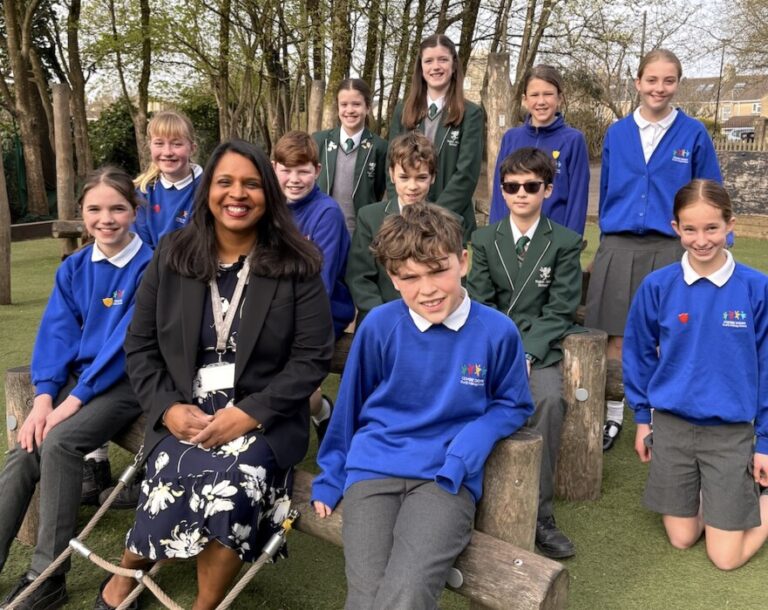
New Palladian Academy Trust CEO Lakmini Harkus says her focus is firmly on pupils, collaboration and breaking down barriers between schools as she begins leading the Bath and Wiltshire-based trust’s 13 schools.
At just 36, Lakmini has already built an impressive career across teaching, headship and Ofsted, becoming a head teacher at 29 before later working as one of His Majesty’s Inspectors.
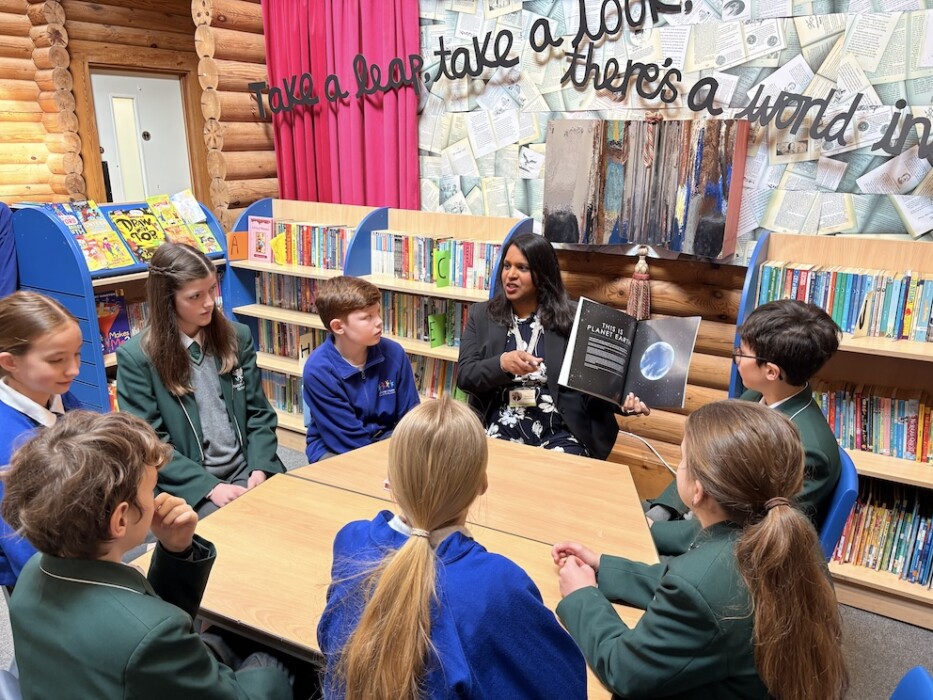
Now, a month into her new role at Palladian Academy Trust, she says relationships, visibility and understanding the needs of each school community are her immediate priorities.
“It’s been really productive,” she said. “I’ve really enjoyed forging relationships with families, with pupils, with parents and the staff.”
Lakmini is currently working through a detailed 100-day plan, visiting all 13 schools across the trust, meeting families at the school gates, speaking to staff and leading assemblies.
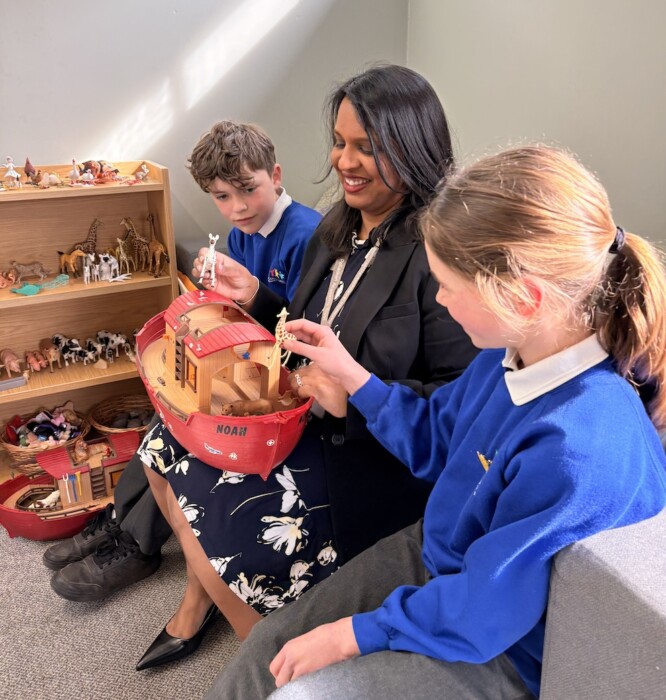
“I have said to my heads, your school is my school. Do not introduce me as a visitor to your school. I’m not a visitor. These are my children too.”
Her approach reflects a wider ambition to create a stronger sense of shared identity across the trust, building on the great work already done, while still recognising the unique character of each individual school.
“Trusts can sometimes be considered as very over there, like an ‘us and them approach’,” she explained. “I just want to eradicate that because in our trust, all our pupils are all of our pupils.”
Lakmini’s route into education leadership began in London before she moved to the South West and progressed rapidly through academy trust roles. She later joined Ofsted, initially unsure whether the inspector role would suit her.
“I wanted to be the inspector that doesn’t look like what one may perceive a ‘typical’ HMI may look like and doesn’t sound like what the public may perceive a typical inspector may sound like whilst still ensuring I uphold the handbook and relevant policies,” she said.
Her experience inspecting more than 100 schools now shapes how she approaches improvement across the trust. Rather than relying purely on meetings and reports that can happen in some cases, Lakmini has introduced collaborative school evaluation visits involving head teachers from other Palladian schools, enhancing what the trust is already doing.
“We’re gathering evidence with our peers,” she said. “A lot of school improvement can be about sitting around a table discussing what’s happening in classrooms, not actually getting into schools.”
The visits focus on classroom experiences, pupil outcomes, attendance, wellbeing and identifying both strengths and areas for development.
“It has to come from quality teaching every day,” she said. “The point is that I’m collecting evidence to underpin any decisions that we make.”
Lakmini believes trusts should work collaboratively rather than competitively and says her experience across education has reinforced the importance of sharing best practice.
“There’s just no point in competing because ultimately we do it for the children,” she said. “If it happens to help even one more child that’s not in our trust, that’s great.”
She also acknowledged the growing pressures schools face around funding, SEND provision and workload.
“I don’t think the issue is the increase in EHCPs. We would like children who need an EHCP to receive them,” she said. “I think it is about ensuring our staff are continually well trained to keep up with what our children need..”
As Palladian Academy Trust prepares to celebrate its 10th anniversary later this year, Lakmini is looking firmly to the future. Her ambition is to build on the strengths already within the trust, strengthen collaboration between schools and ensure every decision is driven by one goal – helping children to flourish.