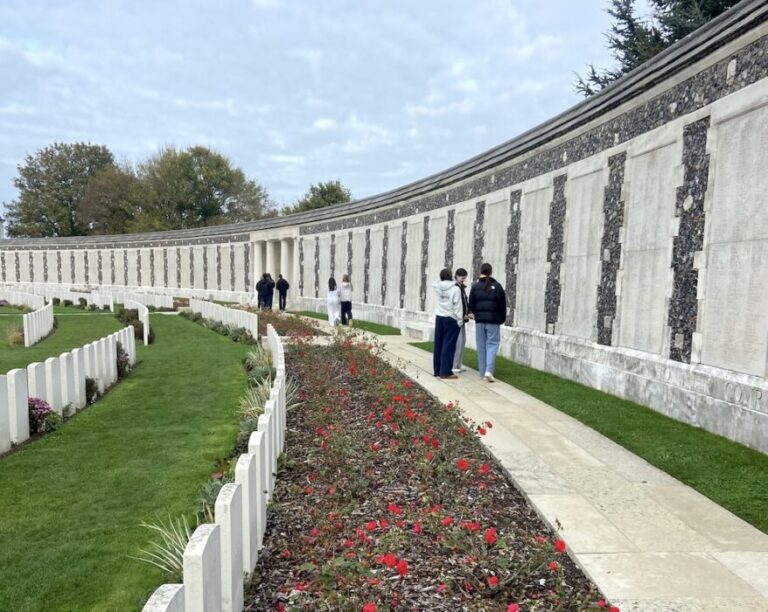
Students at Royal High School Bath, GDST, have been learning about and commemorating World War I in the lead-up to Remembrance Day, with Year 9 pupils taking part in the school’s annual Battlefields Trip to Ypres and the Somme.
The visit offered students the chance to explore the realities of the First World War and reflect on the sacrifices made by those who served. One student, Maude, was able to locate the name of her great-great-great uncle, Ernest Church, on a memorial to the missing at Tyne Cot.
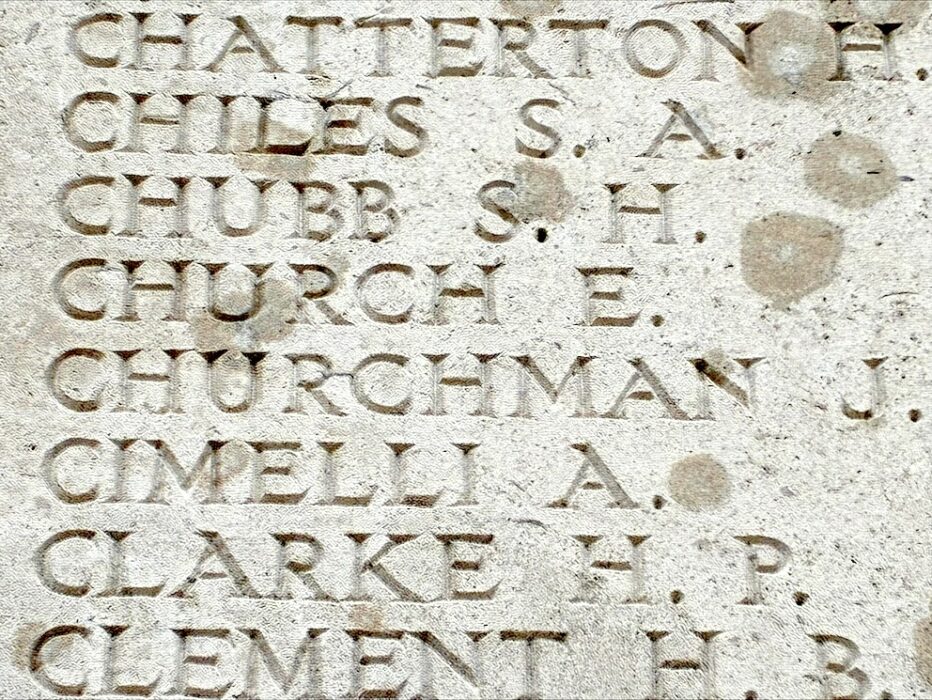
“I don’t think I knew how deeply I felt about this man before I went on the trip,” said Maude. “I felt sad and found it difficult to leave – I couldn’t stop myself staring at his name on the wall. We also held a little service of remembrance next to the panel with his name, which was very touching and I’m so grateful for the fact that we managed to do that.”
Another student, Ada, reflected on the experience of visiting the cemeteries, saying: “Ok, that happened, let’s not ever let it happen again.”
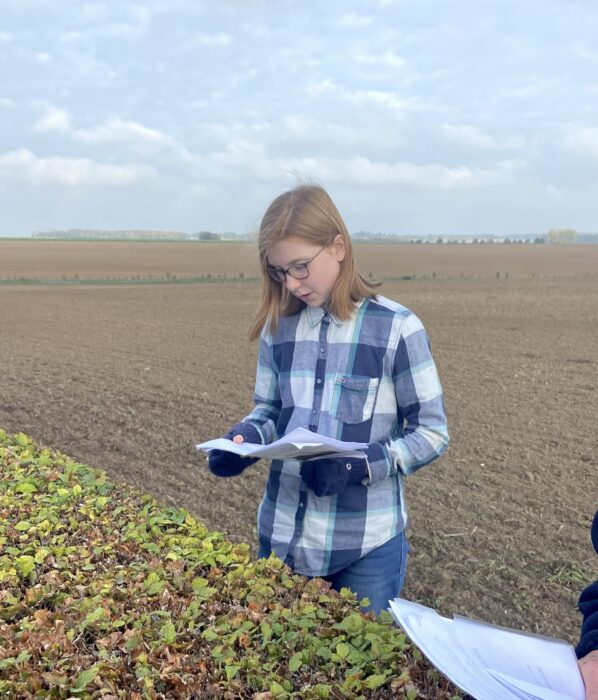
As well as visiting the battlefields, the students explored the poetry of the time, connecting what they saw to the words and emotions of those who lived through the war.
Royal High itself has a strong military heritage, originally founded as the Royal School for the Daughters of Officers of the Army. Its establishment was largely thanks to philanthropist Alfred Douglas Hamilton, who also founded the Officers’ Widows and Orphans Fund during the Crimean War. The school continues to honour and discuss military history as part of its educational ethos.
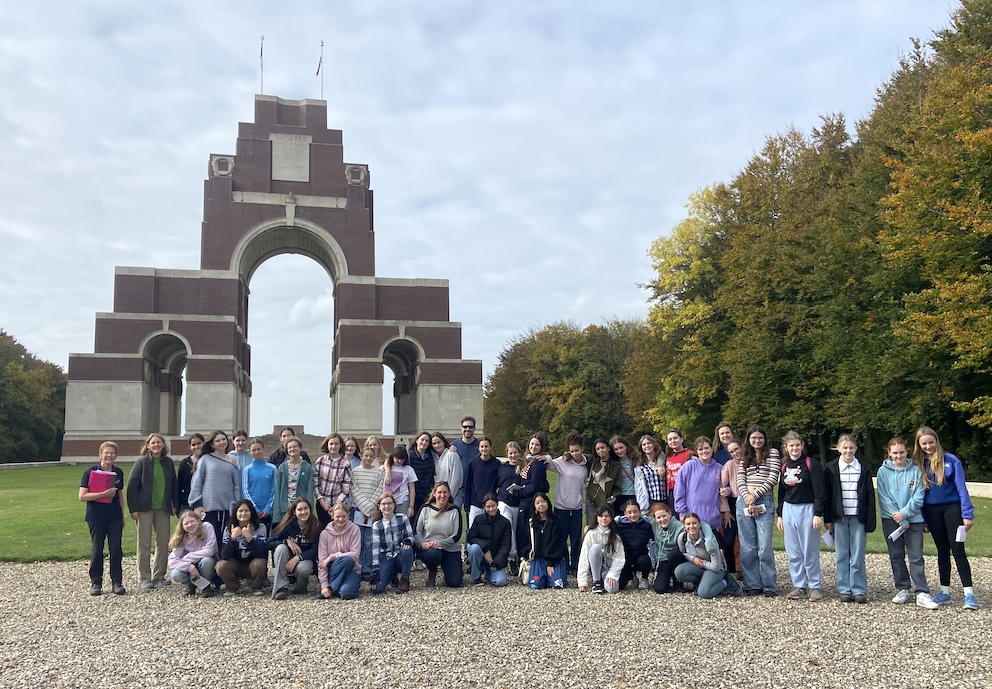
Harriet Pagnamenta, Head of History at Royal High, said, “Our Battlefields Trip allows students to engage with history in a deeply meaningful way, fostering a greater understanding of the realities of World War I and ensuring that those who sacrificed their lives are remembered.
“I am continually impressed by the thoughtful and respectful way our students approach these challenging topics. Co-curricular trips like this are a vital part of our history curriculum, transforming what is covered in the classroom into something the students can see, hear and touch. It adds another dimension to the study of history.”