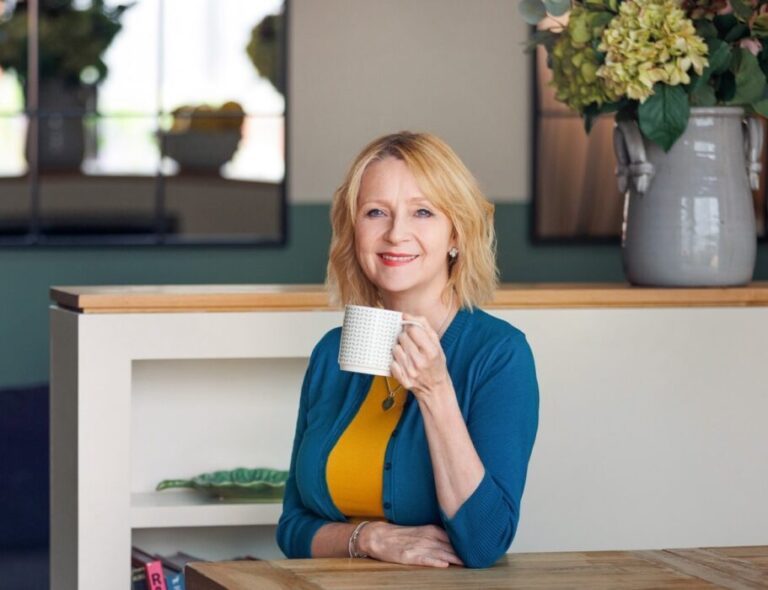
For years, Karen Leigh prided herself on her focus, memory and ability to think five steps ahead. Working in corporate HR, she thrived in fast-paced, high-pressure environments, juggling complex projects and people challenges with ease. Then, without warning, things began to change.
“Words started to disappear,” Karen remembers. “Sentences became muddled. I’d lose track of what I was saying mid-way through a meeting. I honestly thought I was developing early-onset dementia.”

Like many women, Karen didn’t immediately recognise what was happening. She wasn’t experiencing the classic hot flushes or mood swings often associated with menopause, and at 43 she thought she was far too young. But after a hysterectomy and oophorectomy, her hormone levels were shifting rapidly – and the impact on her brain and energy was profound.
“It felt like my brain had gone on holiday and left me with permanent fog,” she says. “I lost confidence in my work and started to question my abilities. I worried about my career and whether I was still capable.”
Eventually, Karen learned that these changes were part of perimenopause – the transitional stage leading up to menopause that can affect memory, concentration, mood and motivation. Understanding this was a turning point.
“I began to accept what was happening rather than fighting it. I changed my diet, built regular exercise into my routine and introduced mindfulness practices. Gradually, I started to feel more like myself again.”
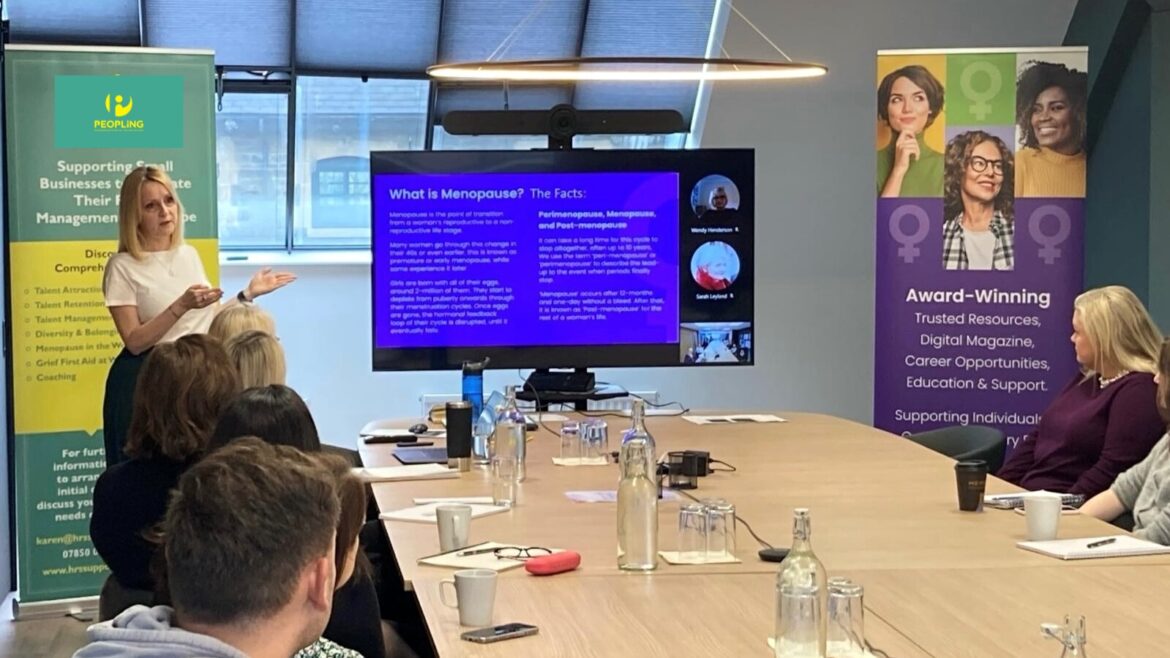
As Karen opened up about her experience, she found that other women – and even male colleagues – began seeking her advice. Those conversations inspired her to create Peopling, her Bath-based coaching and consultancy service designed to help women and workplaces navigate menopause with confidence and compassion.
Today, Karen provides one-to-one menopause coaching for women who want to rebuild their confidence, manage symptoms and develop strategies for thriving both personally and professionally. She also works with employers to create more supportive environments through menopause awareness sessions, manager workshops and practical HR guidance.
“Menopause isn’t just a personal issue,” she explains. “It affects how we feel at work, how we show up for our families and how we see ourselves. When we understand it, we can work with it, not against it – and that’s what I want to help women do.”
Karen continues to manage her post-menopause symptoms using the same knowledge and self-awareness she now shares with others. “I’ve got a renewed sense of me,” she says with a smile. “I still make up the odd word when I lose one, but at least now I know why – and I know I’m not alone.”
To find out more about Karen’s one-to-one coaching and workplace support, visit www.peopling.co.uk.