Schools across Wiltshire are being offered support to install solar panels and battery systems, helping them reduce electricity bills and free up more funding for teaching and learning.
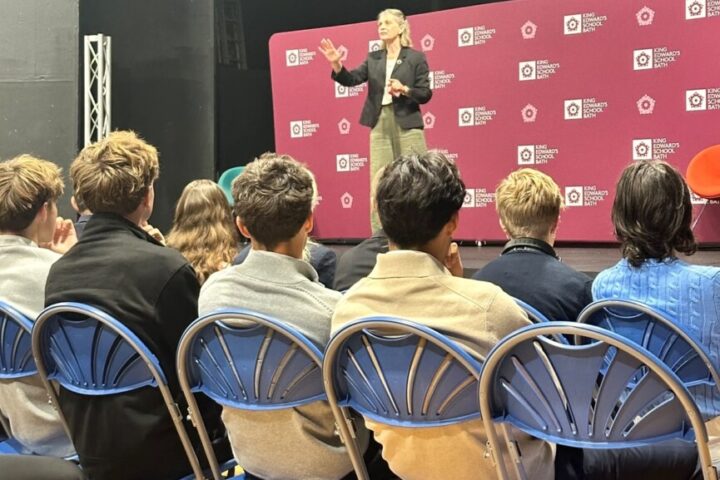
Wiltshire Council recently welcomed school representatives to County Hall to learn more about its Wiltshire Solar Schools programme. The initiative will give maintained schools access to low-interest loans and a fully managed installation service for solar photovoltaic panels and battery storage.
The programme aims to remove some of the financial and practical barriers that can prevent schools from delivering renewable energy projects independently. It will also support their sustainability and climate objectives.
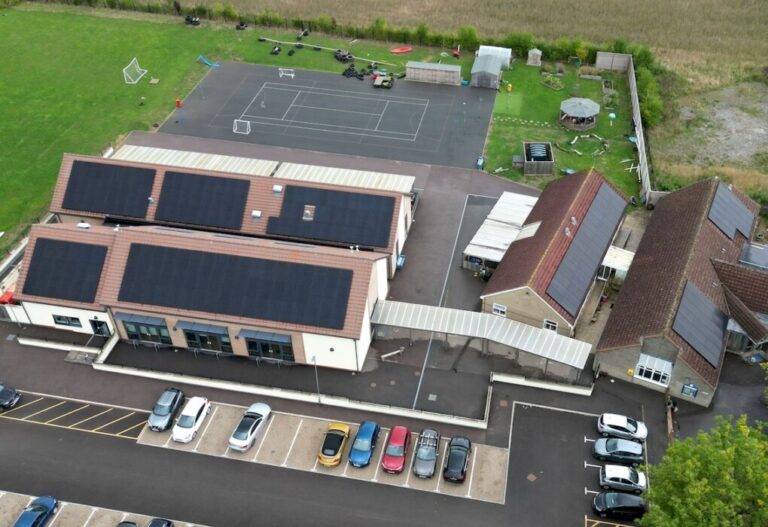
The scheme follows a successful pilot project at Lea and Garsdon Primary School, near Malmesbury, in 2025. Wiltshire Council provided the school with a low-interest loan to install 218 solar panels and an 85kWh battery storage system. The school is now expected to save more than £15,000 on its electricity bills each year, with the council hoping similar savings can be achieved by schools across the county.
Dr Phil Yates, Chair of Governors at Lea and Garsdon Primary School, said, “Electricity prices and increased school requirements put our school in a position where a solar and battery scheme became essential.
“Although our primary drive was financial, the school feels proud to be supporting the drive towards reduced fossil fuel usage and sustainability. The project has proved immensely beneficial, with big reductions in power costs freeing up resources for our teaching and learning objectives.”
There are more than 200 schools in Wiltshire, but fewer than a quarter currently have solar energy systems. Some schools are spending more than £200 per pupil each year on electricity, while uncertainty surrounding future energy prices continues to put pressure on budgets.
The County Hall event explained the different funding options available, including the council’s loan programme for maintained schools. Under this model, participating schools would own their solar and battery systems and retain the full financial benefit of the energy generated.
Non-maintained schools were also encouraged to investigate partnerships with community energy groups, private companies and other providers.
As well as cutting costs and carbon emissions, the council hopes solar installations can be used to teach pupils and their communities about climate change, renewable energy and sustainability.
Schools interested in receiving further information after the summer holidays can email email hidden; JavaScript is required.