Student correspondent George Capsey sees how students across the years attend the school’s hives
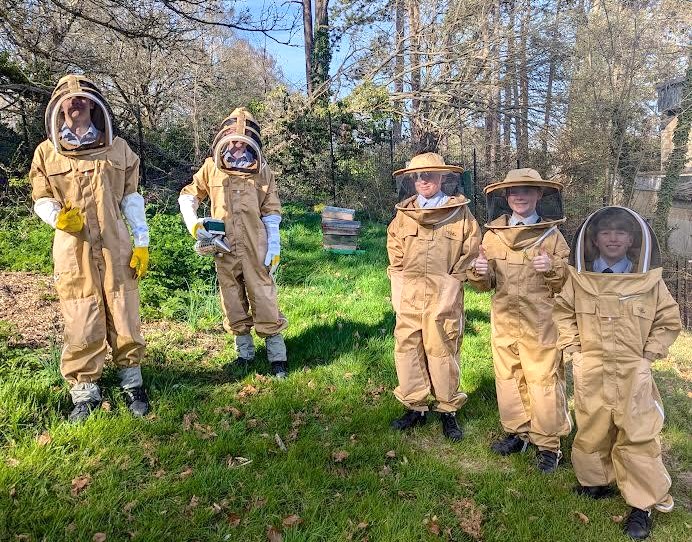
Beechen Cliff School offers multiple after-school activities, one of which is the beekeeping club.
Every Monday, students from Year 7 through to Sixth Form come together to manage the bees’ environment with the ultimate goal of collecting honey. Having such a wide range of age groups involved allows students of all levels to participate, share knowledge and build friendships through a shared passion. This helps strengthen teamwork and provides younger students the chance to learn from older ones, fostering a sense of community and responsibility.
Beechen Cliff maintains two thriving hives, placed in a green, quiet area of the school grounds where they are left undisturbed. Thousands of busy bees live within these hives, working hard to produce honey every day, a process closely supported and managed by the pupils through their dedicated efforts.

This hands-on involvement gives students a unique opportunity to observe the natural world, understand the life cycle of bees and appreciate the important role these insects play in our environment and how we can help.
The club is led by Mr Newell, who explained, “At this time of year, we are making sure the bees have enough space to expand. We add ‘supers’ on top of the brood frames for them to store honey.”
A ‘super’ is a wooden box placed above the brood box in the hive that provides additional space for bees to store excess honey, said Mr Newell. This is a modern and safer method of beekeeping, especially when used alongside a ‘queen excluder’, a barrier that prevents the queen bee from laying eggs in the honey storage area.

This system allows the club to harvest honey more efficiently and without disturbing the bees’ vital food reserves and risking killing any of the eggs.
During the summer months, the worker bees become particularly active, gathering more nectar and pollen. Meanwhile, the queen lays more eggs, leading to an increase in the number of bees in the colony. Because of this growth, the club is continually working to expand the hive space to accommodate the colony’s needs, ensuring the bees remain healthy, happy and productive.
By running this excellent extracurricular activity, students at Beechen Cliff are actively contributing to the protection of one of the planet’s most important species. They are learning how to care for bees responsibly and sustainably, gaining practical skills that go beyond the classroom. This experience is especially valuable given the current global decline in honey bee populations.
Bees are responsible for pollinating approximately 75% of the world’s leading food crops, including fruits, vegetables, nuts and seeds. However, bee populations have been decreasing due to threats such as habitat loss and a shortage of beekeepers.
“More needs to be done to conserve honey bee populations as they provide pollination for a range of plants, flowers, and crops and are currently on the decline across the world,” emphasised Mr Newell.
The beekeeping club gives pupils the chance to contribute directly to this incredibly important environmental cause. It teaches them to work well with others, gives them a significant responsibility and shows them the importance of protecting wildlife.
To help reverse the decline in bee numbers, the beekeeping industry needs more young people involved, and it’s great to see Beechen Cliff being so pro-active in the matter.